Understanding the Importance of Chimney Inspections
Regular chimney inspections are a crucial part of home maintenance that many homeowners tend to overlook. These inspections serve as an essential preventive measure against potential hazards that can arise from neglect. Over time, debris, creosote buildup, and other foreign materials can accumulate within a chimney, posing a significant risk for chimney fires and carbon monoxide exposure. Engaging in routine chimney inspections allows professionals to identify these issues before they exacerbate, ultimately safeguarding the household.
One of the primary objectives of a chimney inspection is to ensure the overall efficiency of heating systems. A well-maintained chimney ensures that smoke and gases can escape properly, which is vital for the effective operation of fireplaces, stoves, and heating units. If a chimney is blocked or in disrepair, it can lead to backdrafts, where smoke and carbon monoxide enter the home instead of exiting through the chimney. This not only compromises air quality but can also result in serious health risks for the residents.
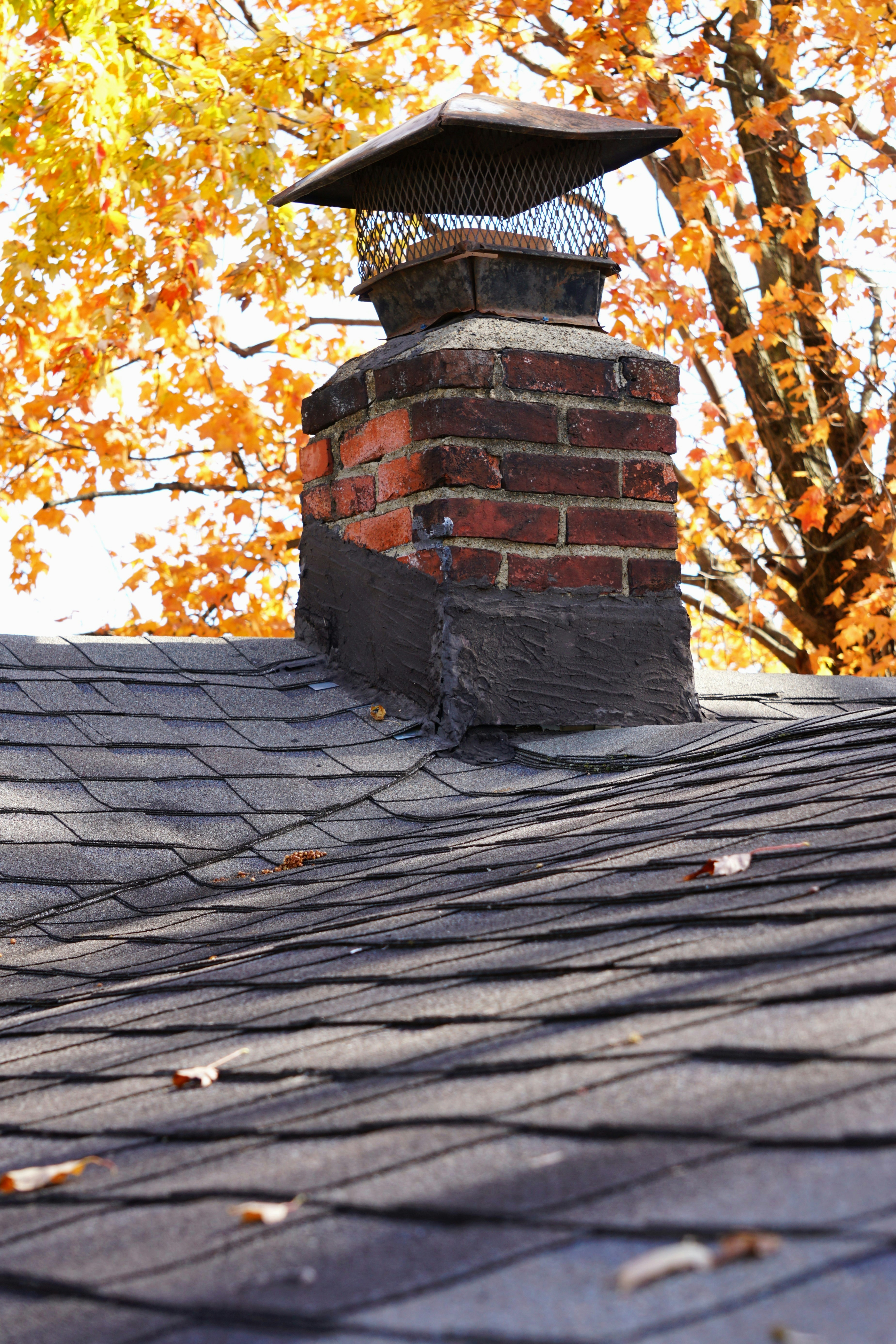
During an inspection, professionals examine various components of the chimney system, including flue liners, fittings, and the chimney cap. They assess for any signs of damage, such as cracks or leaks, and check for proper ventilation. Additionally, the integrity of the fireplace and surrounding structures is evaluated. By conducting these thorough assessments, inspectors can provide homeowners with tailored recommendations for maintenance or repairs, helping to prolong the lifespan of the chimney and heating appliances.
Neglecting chimney inspections can have dire consequences, leading to costly repairs or even endangering lives. Therefore, it is imperative for homeowners to prioritize regular inspections to ensure their safety and the efficiency of their heating systems. Making timely inspections a part of routine home care is an investment in both property and personal well-being.
The Dangers of Neglecting Chimney Cleaning
Neglecting regular chimney cleaning and maintenance poses significant risks to homeowners, primarily due to the accumulation of creosote and debris. Creosote, a byproduct of burning wood, can build up over time and creates a highly flammable material that is often referred to as a primary factor in chimney fires. According to the National Fire Protection Association (NFPA), an estimated 25,000 chimney fires occur in the United States each year, with improper chimney cleaning being a leading cause. These fires can not only cause severe property damage but also pose serious threats to life and safety.
Another significant danger associated with neglecting chimney cleaning is the risk of carbon monoxide poisoning. A clogged or compromised chimney can prevent harmful gases produced during the combustion process from venting properly outside the home. Carbon monoxide is a colorless and odorless gas, making it particularly insidious. According to the Centers for Disease Control and Prevention (CDC), more than 400 deaths occur annually in the U.S. due to unintentional carbon monoxide poisoning. Regular chimney inspections and cleanings can help mitigate this risk by ensuring that the chimney is clear and functioning efficiently.
In addition to the fire hazards and poisoning risks, a neglected chimney can also lead to structural damage to the home. Blockages and excess creosote can cause pressure to build up in the flue, leading to cracks in the chimney structure. Over time, this can result in costly repairs and potentially compromise the entire chimney system. Maintaining a clean fireplace and chimney is essential for ensuring safe operation and preventing catastrophic failures.
Given the statistics and real-life examples of chimney-related incidents, it is evident that the risks associated with neglecting chimney cleaning are substantial. Homeowners should prioritize annual inspections and cleanings to safeguard their homes and families.
How Often Should You Inspect and Clean Your Chimney?
Regular chimney inspections and cleanings are essential for maintaining the safety and efficiency of your fireplace or heating system. The recommended frequency for these services can vary depending on several key factors. Generally, it is advisable to have your chimney inspected at least once a year, regardless of its usage. This annual inspection ensures that any buildup of soot, creosote, or other obstructions is addressed promptly, reducing the risk of chimney fires.
The type of fuel used in your heating system significantly influences the frequency of inspections and cleanings. Homes that utilize wood-burning stoves may require more frequent cleanings, typically every cord of wood burned or at least twice a year during the heating season. Gas or oil-burning systems usually build up less creosote but still benefit from annual inspections to check for any blockages or deterioration.
Additionally, considering how often you use your fireplace or stove is crucial. For homeowners who frequently use their fireplace during colder months, more regular inspections may be necessary. Local regulations or building codes may also dictate specific inspection requirements, prompting homeowners to conduct inspections more frequently based on community standards.
Seasonal considerations are another important aspect of chimney maintenance. Scheduling inspections in the fall before the heating season begins allows homeowners to ensure that their chimneys are safe for use. This proactive step helps identify any necessary repairs, so you can avoid potential issues during colder months. By integrating chimney inspections and cleanings into your regular home maintenance routine, you ensure the longevity and functionality of your chimney system, keeping your home safe from hazards associated with poorly maintained chimneys.
Finding a Qualified Chimney Professional
When it comes to maintaining the safety and efficiency of your chimney, finding a qualified professional for inspections and cleanings is essential. A well-trained chimney expert brings not only technical skills but also knowledge of current safety standards and best practices. It is crucial to look for individuals or companies that hold relevant certifications, such as those from the Chimney Safety Institute of America (CSIA) or the National Fireplace Institute (NFI). These credentials indicate that the professional has completed the necessary training and adheres to industry standards.
Before making a selection, it is advisable to prepare a list of questions to gauge the competence and credibility of potential service providers. Inquire about their experience in the field and whether they have handled similar types of chimneys. Additionally, ask about the inspection process they follow and the tools they use. A reputable chimney professional should be willing to explain their methods and provide a detailed estimate before commencing work.
Another critical aspect is to watch out for red flags during the selection process. Be cautious of professionals who offer extremely low prices as this may indicate a lack of proper qualifications or an intention to cut corners. Furthermore, always ensure that the chimney expert is licensed and insured, protecting yourself from liabilities in case of accidents or damages. Engaging a professional with adequate insurance coverage ensures you are safeguarded against potential risks associated with chimney cleaning and inspection.
While DIY approaches may seem attractive for their cost-effectiveness, they often lack the thoroughness and safety that professional services provide. The complexity of chimney systems necessitates a thorough understanding that trained professionals possess. By investing in professional chimney cleaning and inspection services, homeowners can ensure a safer home environment and prolong the lifespan of their chimney systems.