How Water Enters a Home (And Simple Steps to Prevent Costly Damage)


Water damage is one of the most common — and expensive — problems homeowners face. What makes it tricky is that water doesn’t always show up as a dramatic leak or puddle. More often, it works slowly, quietly, and out of sight.
Understanding how water enters a home, the different forms water takes, and what you can do to reduce damage can save thousands of dollars in repairs and protect the long-term health of your home.
How Does Water Get Into a House?
Water is persistent. It doesn’t need a big opening — just a weak point.
Common Entry Points
- Roofs & flashing (chimneys, vents, skylights)
- Windows & doors with failed seals or aging caulk
- Exterior walls & siding
- Foundation walls & floor cracks
- Basements and crawlspaces
- Plumbing leaks inside walls, ceilings, or under floors
Gravity, wind, pressure differences, and temperature changes all help water find its way inside.
The Different Types of Water That Affect Homes


Not all water damage comes from liquid leaks. In fact, some of the most damaging moisture is invisible.
1. Liquid Water (Bulk Water)
This is the most obvious type:
- Roof leaks
- Plumbing failures
- Foundation seepage
- Flooding
Liquid water can quickly damage drywall, flooring, insulation, and structural framing.
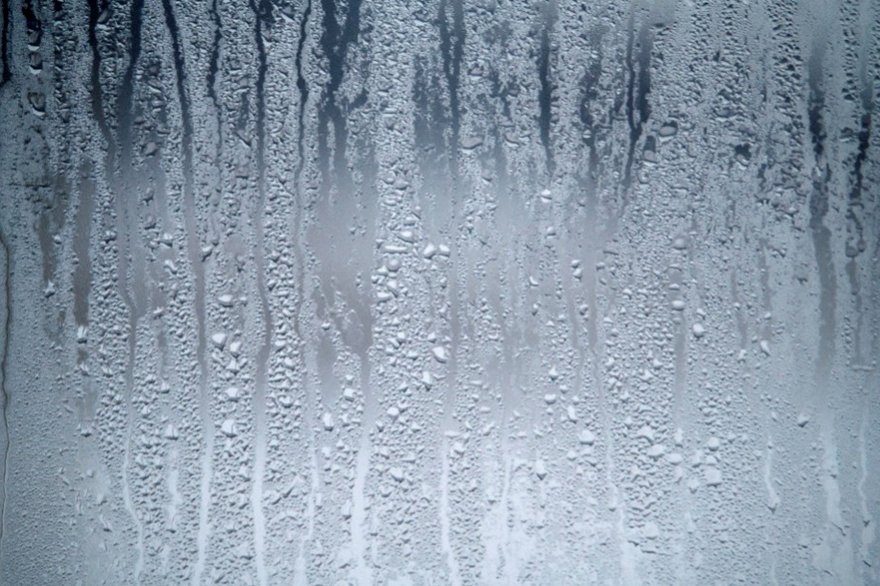
2. Water Vapor (Humidity & Condensation)
Warm, moist air naturally moves through a home. When it meets cooler surfaces, condensation forms.
Common problem areas:
- Bathrooms
- Basements
- Crawlspaces
- Attics
- Windows in cold weather
Excess humidity can lead to mold growth, wood rot, and poor indoor air quality.
3. Adsorption (Moisture on Surfaces)
Adsorption occurs when moisture clings to the surface of materials like:
- Concrete
- Brick
- Metal
It’s often invisible, but it contributes to damp conditions and long-term deterioration.
4. Absorption (Moisture Inside Materials)
Absorption happens when water is pulled into the material itself.
- Wood
- Drywall
- Insulation
- Masonry
Once absorbed, materials can swell, warp, weaken, or decay.
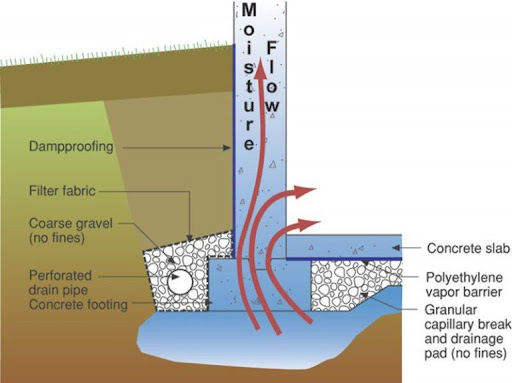
5. Capillary Action (Water Moving Against Gravity)
Water doesn’t always flow downward. Through capillary action, moisture can:
- Wick upward through concrete and masonry
- Travel sideways through framing and finishes
This explains why moisture damage often appears far from the original source.
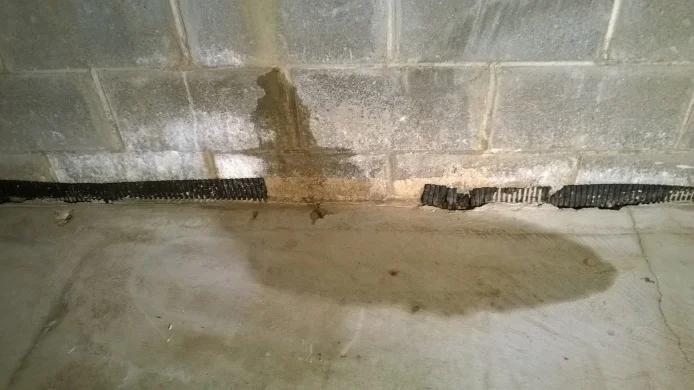
6. Efflorescence (A Visual Warning Sign)
That white, powdery residue on basement walls? That’s efflorescence.
- Caused by moisture moving through masonry and depositing mineral salts
- Not harmful on its own, but a clear sign of active moisture movement
It’s a symptom — not the problem itself.
Why Water Problems Are Often Missed
Many moisture issues:
- Occur behind walls or under floors
- Dry out between rain events
- Develop slowly over months or years
This is why water intrusion is one of the most common findings during professional home inspections, even in homes that appear well-maintained.
Simple Steps Homeowners Can Take to Reduce Water Damage
Outside the Home
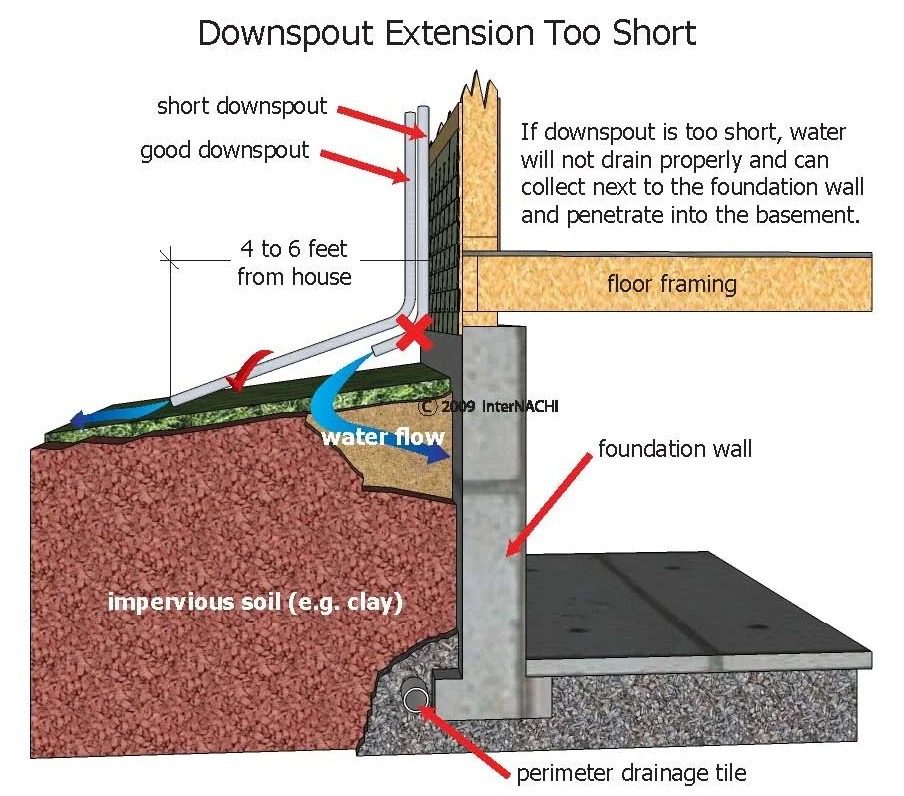
- Make sure soil slopes away from the foundation
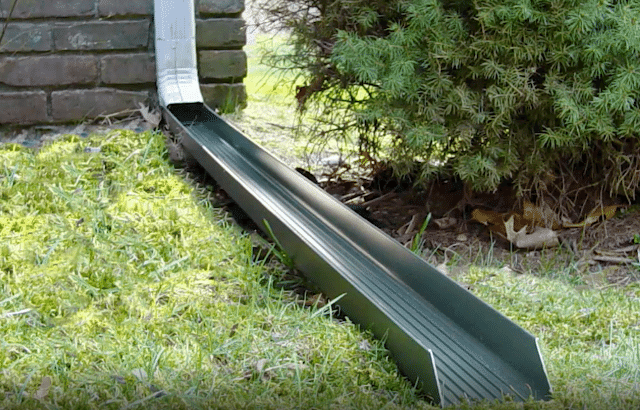
- Extend downspouts at least 6 feet
- Keep gutters clean and properly pitched
- Seal visible cracks and exterior penetrations
Inside the Home
- Use exhaust fans in bathrooms and kitchens
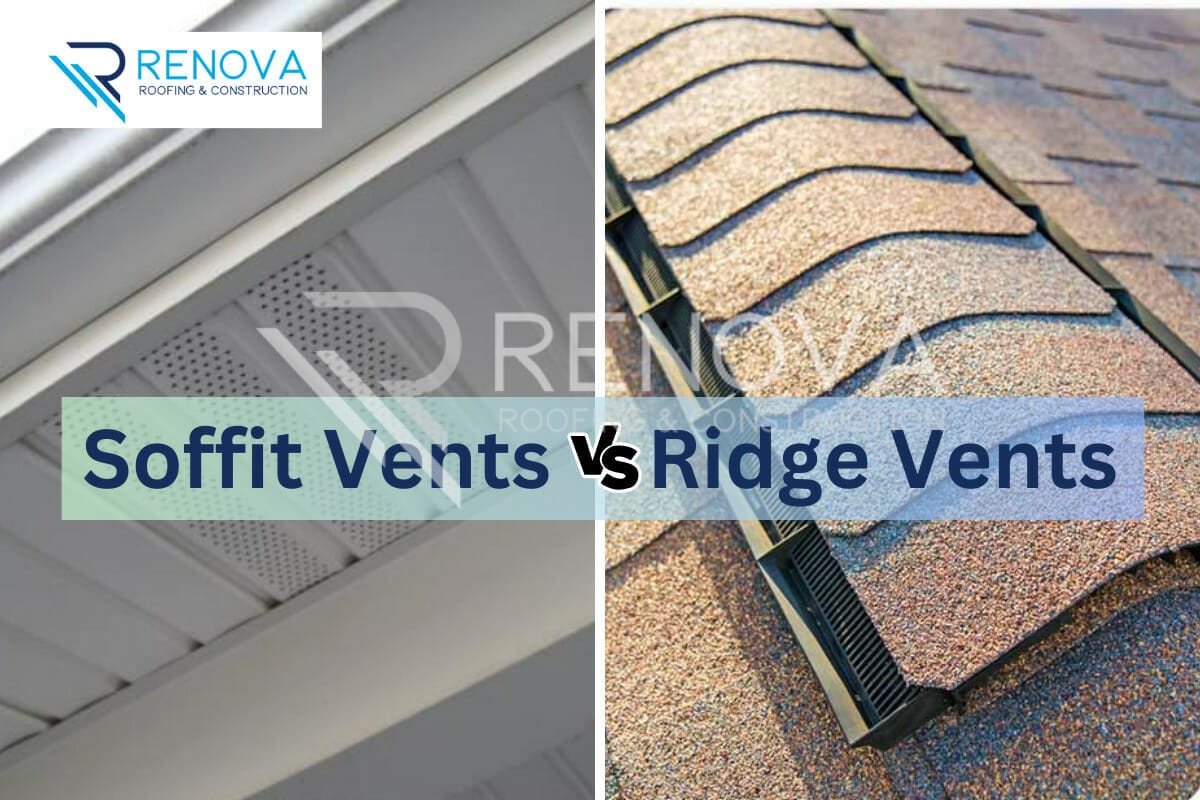
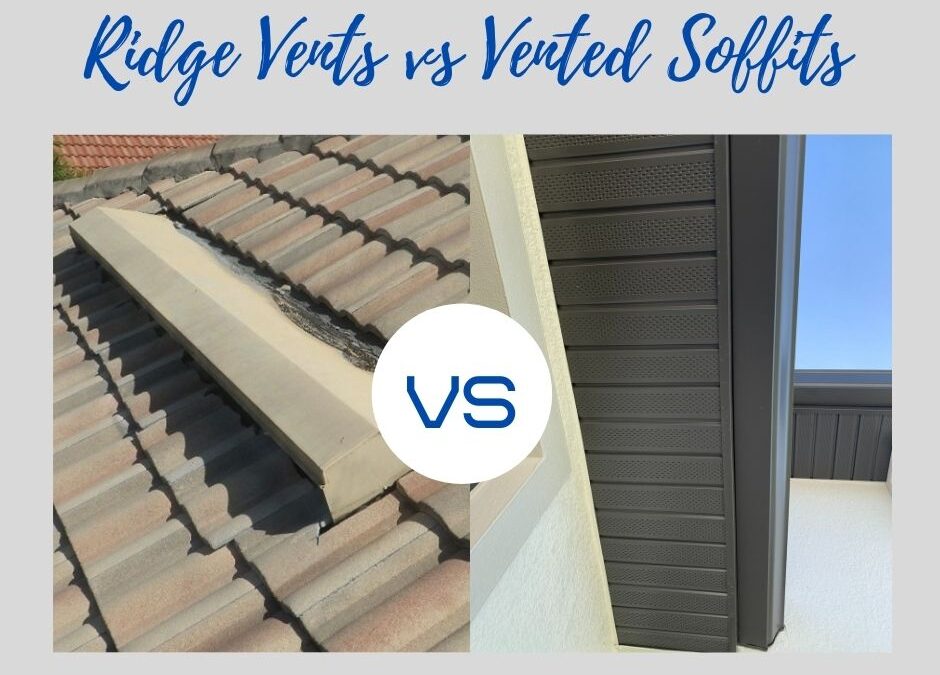
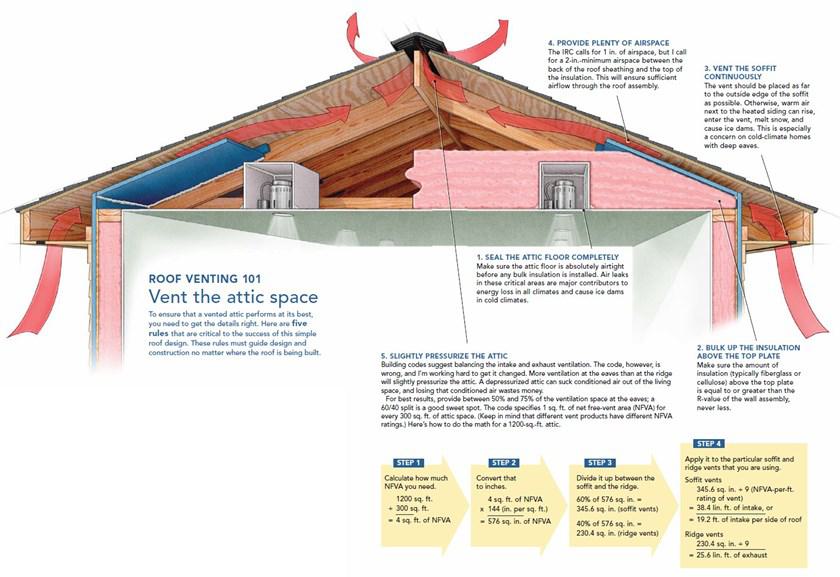
- Maintain proper attic ventilation
- Run dehumidifiers in basements and crawlspaces
- Monitor indoor humidity (ideally 30–50%)
Plumbing Awareness
- Know where your main water shutoff is
- Check under sinks and around appliances regularly
- Replace aging supply lines before they fail
Why This Matters When Buying or Owning a Home
Water intrusion — past or present — can impact:
- Structural integrity
- Indoor air quality
- Energy efficiency
- Long-term maintenance costs
During a home inspection, moisture patterns often tell a story about how a home manages water over time, not just whether it’s leaking on the day of the inspection.
A Final Thought
Water always follows the path of least resistance. Homes that manage water well — from the roof to the foundation — last longer, perform better, and cost less to maintain.
If you’ve noticed moisture, staining, musty odors, or just want peace of mind, a professional home inspection can help identify issues before they turn into expensive surprises. Knowing how water behaves in a home puts you one step ahead as a homeowner.