
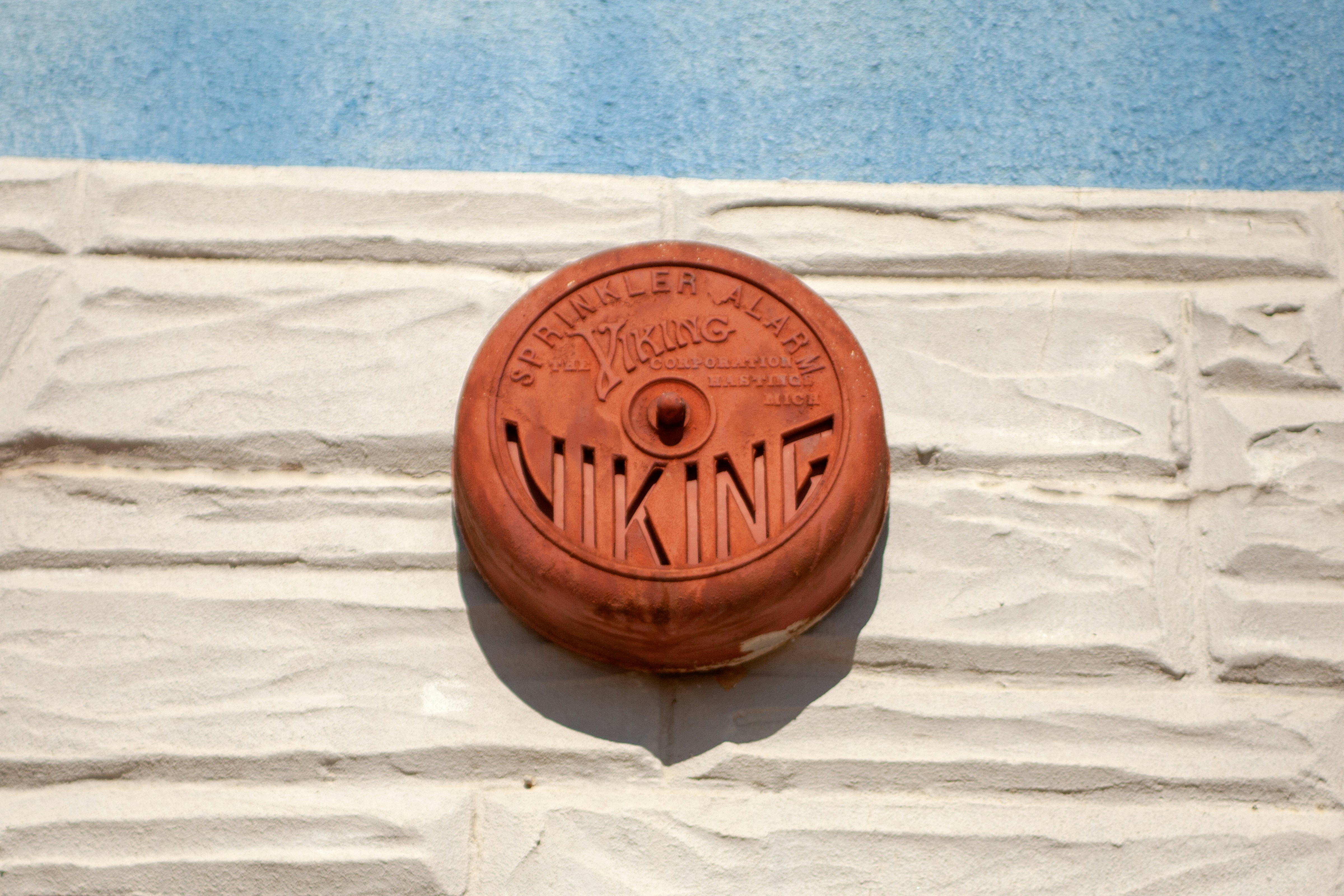
Understanding the Lifespan of Fire Alarms
Fire alarms play a crucial role in ensuring the safety of residences and commercial properties. The lifespan of these essential safety devices can vary significantly based on their type. Generally, fire alarms can be categorized into two primary types: ionization and photoelectric alarms. Ionization alarms, which are particularly effective at detecting fast-flaming fires, typically have a lifespan of about 10 years. Conversely, photoelectric alarms, known for their ability to sense smoldering fires more reliably, also adhere to a similar expectancy but are sensitive to environmental factors that can hinder their effectiveness.
Understanding why fire alarms have expiration dates is essential for maintaining optimal safety. Over time, the components within these devices can degrade due to various factors, including exposure to dust, humidity, and temperature fluctuations. Dust accumulation can inhibit the function of the sensors, causing a delayed or, in worst-case scenarios, an unsuccessful detection of smoke or flames. Additionally, excessive humidity can corrode internal parts, further compromising the reliability of the alarm. Therefore, monitoring these conditions is vital to ensure that fire alarms remain functional throughout their intended lifespan.
Adhering to the manufacturer’s guidelines regarding replacement intervals is paramount. Most manufacturers recommend replacing fire alarms at least every ten years, regardless of whether they appear to be functioning correctly. This recommendation is grounded in the recognition that aging devices can lead to false alarms or failures to alarm at all during an emergency. As such, regular checks and timely replacements of fire alarms are not just best practices; they are essential steps in maintaining effective fire safety measures within any environment.
Signs That Your Fire Alarm Needs Replacement
Fire alarms are critical components of home safety, designed to alert occupants in the event of smoke or fire. However, over time, these devices can deteriorate, leading to questions about their effectiveness. Recognizing the signs that indicate it’s time to replace your fire alarm can play a vital role in ensuring your safety.
One of the most common signs that a fire alarm needs replacement is the occurrence of frequent false alarms. If an alarm is triggering without any apparent cause, it may signal that the unit is malfunctioning or has aged past its useful life. Frequent false alarms can be frustrating and may lead to residents becoming desensitized to the warnings, thereby compromising safety. If you notice that your fire alarm is going off often without legitimate reasons, it may be time to consider a replacement.
Another indication of a failing fire alarm is the presence of persistent beeping or chirping sounds. This noise typically signifies that the battery needs attention or that the device has experienced an internal issue. If you have already replaced the batteries, yet the chirping continues, it may suggest that the fire alarm itself is faulty and requires replacement.
Furthermore, a fire alarm that fails to respond during routine tests is a clear indication of malfunction. Conducting regular tests is essential for maintaining the effectiveness of your fire alarm system. If your alarm does not activate when tested, this serves as a red flag that the device is no longer functional and should be replaced immediately.
Regular maintenance is crucial in identifying potential issues with fire alarms before they escalate. This includes testing alarms and inspecting them for any signs of damage. By ensuring that your fire alarm is in optimal condition, you safeguard your home and loved ones effectively.
Best Practices for Fire Alarm Maintenance
Proper maintenance of fire alarms is essential for ensuring their optimal functionality and longevity. Regular testing is a fundamental practice that should not be overlooked. It is advisable to test your fire alarms at least once a month to ensure that they are working correctly. This can be done by pressing the test button on the device, which simulates an alarm condition. In addition, fire alarms should undergo a comprehensive inspection and functional testing by a certified technician at least once a year. This professional check helps identify any potential issues that may not be detectable through simple tests.
Cleaning is also a vital aspect of fire alarm maintenance. Over time, dust and debris can accumulate on the alarm’s sensors, impairing its ability to detect smoke or fire. To minimize this risk, it is recommended to gently vacuum the exterior of the device or use a soft brush to remove any buildup, ensuring that the alarm is kept clear. Manufacturers often provide specific cleaning guidelines, and these should be closely followed to avoid any damage to the alarm units.
Battery replacement protocols must also be part of your maintenance routine. For battery-operated fire alarms, it is crucial to replace the batteries at least once a year or as recommended by the manufacturer. Many modern alarms feature a low-battery alert, signaling when a battery change is necessary. Conversely, for hardwired alarms, it is still important to check if the backup batteries are in good condition. If complex issues arise or if your fire alarm is not functioning as expected, it is prudent to consult a professional technician. They can assess the situation and ensure compliance with local fire safety regulations, safeguarding both your property and its occupants.
Choosing the Right Replacement Fire Alarm
Selecting the appropriate fire alarm for your home or business is crucial in maintaining safety standards. With various types of fire alarms available, each offering unique features, it is essential to assess your specific needs before making a decision. The most common types of fire alarms include ionization smoke alarms, photoelectric smoke alarms, and dual-sensor smoke alarms. Ionization alarms are generally more responsive to flaming fires, while photoelectric alarms excel in detecting smoldering fires. Dual-sensor alarms combine the benefits of both technologies, providing comprehensive coverage.
When evaluating fire alarms, consider features such as battery backup, interconnected capability, and smart technology integration. Battery backup is vital in ensuring that the alarm functions during power outages. Interconnected alarms provide enhanced safety, as they can communicate with other alarms in your home, alerting all areas simultaneously when one detects smoke or fire. Smart fire alarms can send notifications to your smartphone, monitoring your property even when you are not physically present.
It is also critical to pay attention to certifications and ratings from recognized safety organizations, such as Underwriters Laboratories (UL) or the National Fire Protection Association (NFPA). These certifications ensure that the fire alarm meets specific safety standards, providing added peace of mind. When purchasing a replacement fire alarm, verify that it complies with local regulations and guidelines.
Lastly, proper installation is essential for optimal performance. Follow the manufacturer’s installation instructions closely, and consider hiring a professional if you are uncertain about the process. Correctly placed alarms can detect smoke and fire more effectively, ensuring early warning and ultimately protecting lives and property. By following these guidelines, you can choose the right fire alarm that suits your situation and creates a safer environment.